


As digital landscapes continue to change, businesses require flexible and comprehensive content management solutions. Traditional CMS platforms have proved insufficient for organizations seeking agility, scalability and omnichannel consistency; headless CMS is here as a backend-only system that separates content from presentation; this trend won’t go away; rather it represents the future path ahead.
Why Traditional CMS Platforms Bottleneck Growth
Traditional content management systems like WordPress or Drupal come equipped with built-in front-end delivery features that work well for simple websites. As businesses expand across platforms such as web, mobile apps, smart devices and digital kiosks, their tightly coupled structures become bottlenecks that lead to duplicate work across touchpoints or inconsistent brand experiences.
What Makes Headless CMS Stand Out
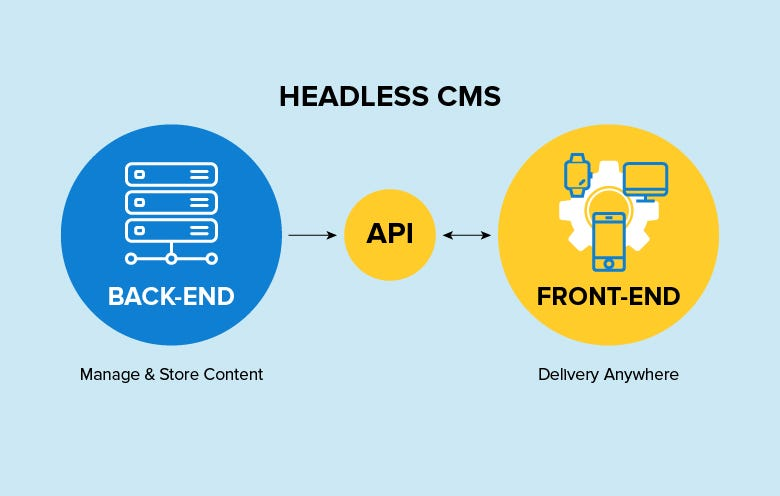
Headless CMSs remove the front-end delivery layer (the “head”) by offering content via APIs, providing developers with greater freedom in using any technology stack such as React, Vue or Flutter for deployment of content wherever it may be needed. Marketers and content creators also benefit from headless CMSs by being able to centrally manage assets before pushing them out to multiple places efficiently and quickly
Benefits include:
- Omnichannel Readiness: Seamlessly publish to websites, mobile apps, AR/VR, digital signage, and more.
- Developer Flexibility: Build frontends using modern frameworks without being locked into CMS-rendered views.
- Performance & Security: Fewer moving parts on the front-end reduce attack vectors and load times.
- Future-Proofing: Easily integrate with new tools, platforms, or third-party APIs.
Real-World Impact
Consider how major retailers such as Nike or IKEA manage their digital presence: using headless CMS architecture, they seamlessly deliver personalized and localized content across various platforms without duplicating workflows – something legacy systems simply cannot accomplish.
Leading the Way: Top 5 U.S.- Based Headless CMS Companies
- Contentful – Enterprise-ready and API-first, with deep integrations and a flexible content model.
- Creasions – Open-source and JavaScript-native, ideal for developers wanting full control.
- Sanity – Loved for its real-time collaboration and schema-driven architecture.
- Prismic – Offers dynamic content structuring through “slices” and a user-friendly interface.
- Kentico Kontent – Designed for enterprise scalability, multichannel workflows, and strong personalization features.
Not Without Trade-Offs
Headless CMS requires an intensive learning curve and strong development-first focus, making adoption of these platforms difficult for organizations without technical resources. However, many platforms now provide hybrid models which combine headless flexibility with built-in presentation features for an easier transition process.
Final Thoughts
As businesses become more digital, scalability has become an absolute requirement. Headless CMS provides the infrastructure required to meet this demand; for brands looking to stay ahead in this digital era, adopting such technology shouldn’t be seen as optional, but as necessary.