


How a 2.8 km² Principality Is Reinventing Urban Mobility
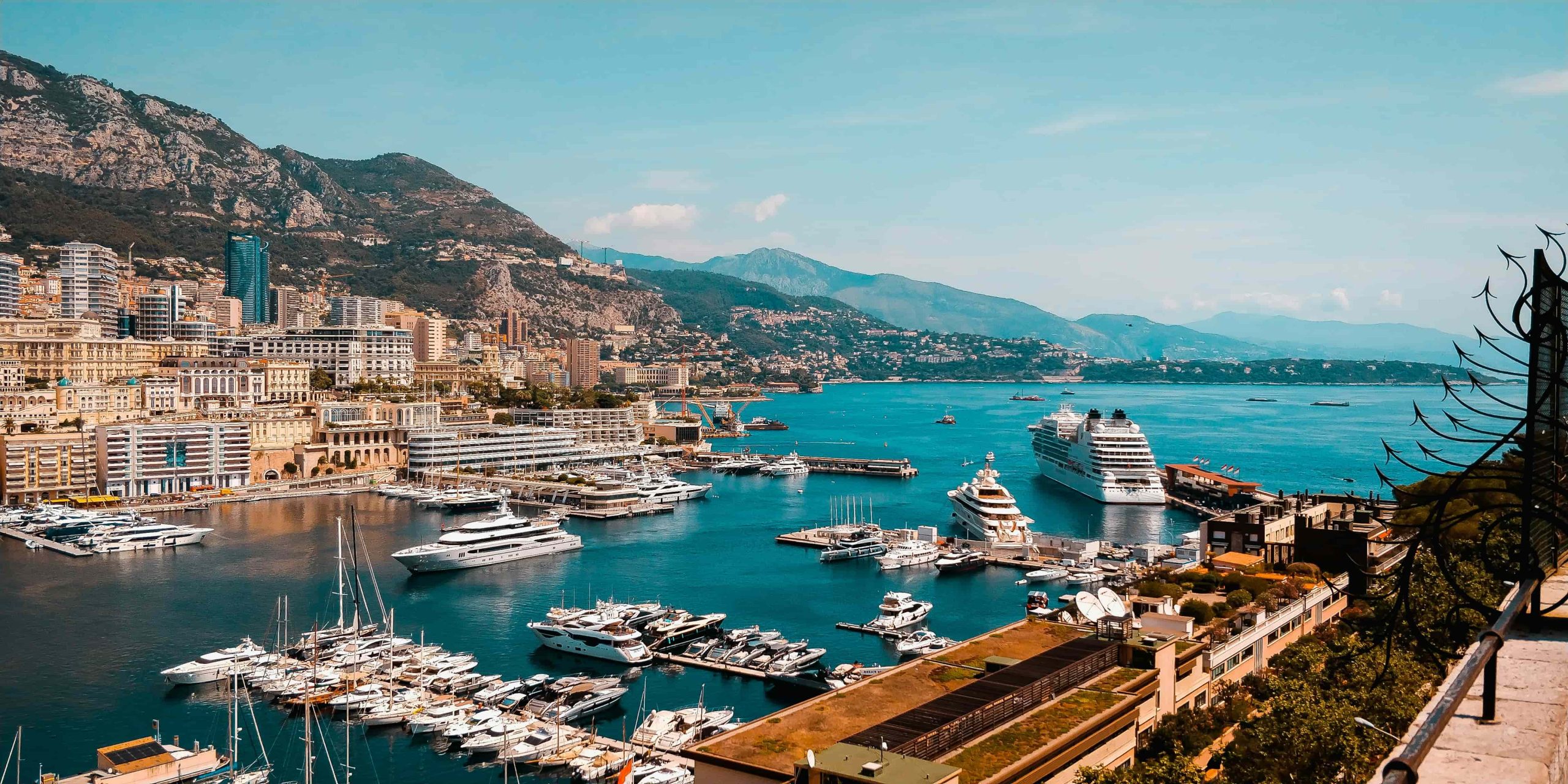
Monaco is barely larger than a neighbourhood. At just 2.8 km², it is the second smallest country in the world — yet when it comes to urban mobility, it punches far above its weight. Wedged between the French Riviera’s steep hills and the Mediterranean Sea, Monaco faces some of the most extreme urban transport challenges on earth: no space to build, a terrain that rises sharply from the coast, up to 100,000 vehicles passing through daily in peak season, and one of the wealthiest, most demanding populations in the world.
What Monaco is doing to solve this problem is quietly becoming one of the most interesting urban mobility stories of the decade.
The Challenge: A Tiny Land With a Giant Traffic Problem
Monaco has around 77 km of roads — that’s it. Yet on busy days, nearly 100,000 vehicles attempt to navigate this minuscule territory, creating gridlock that would frustrate even the most patient commuter. The government’s response has been bold: make the car the least convenient option, and make everything else seamlessly easy.
The Principality has built its mobility strategy around five pillars: a dense electric bus network, fast cross-border rail connections, shared bikes and electric cars, a network of public elevators and escalators, and — most ambitiously — a brand new automated metro line currently in development.
The Bus Network: Small but Mighty
At the heart of Monaco’s transport system is the Compagnie des Autobus de Monaco (CAM), established in 1939. CAM operates six main urban bus lines, express routes, night buses, an on-demand shuttle service (ClicBus), a boat-bus (Bateaubus), and the MonaBike cycling network.
The numbers tell a compelling story:
- The CAM bus network carried 7.6 million passengers in 2024 — a 4% increase over the previous year.
- By the end of 2025, all regular bus routes are served by 100% electric buses, years ahead of most global cities.
- The target is a fully decarbonised fleet — electric or hydrogen — by 2030.
The MonaBike bike-sharing service is also booming. May 2025 set an all-time record with 82,048 journeys — a spectacular 43% increase over May 2024.
Rail: A Quiet Revolution
Monaco’s underground train station, carved directly into the rock of the cliff, connects the Principality to the French rail network and onward to Nice, Cannes, and beyond. The rail numbers have surged recently:
- Monaco station now handles 124 trains per day on weekdays and over 140 on weekends — up 30% compared to previous years.
- Two additional trains are set to enter service from 2027, the result of collaboration between Monaco and French authorities.
For a city with no airport of its own, rail is not optional — it is essential infrastructure.
The Big Project: Monaco’s First Metro Line
The most exciting development in Monaco’s mobility story is still in the making. Between October 2024 and February 2025, Monaco launched a tender process to build a fully automated rapid transit line — essentially a mini-metro — that would link the city centre to the La Brasca parking facility between Èze and La Turbie in France.
Key details:
- Estimated cost: €1.2 billion
- Expected completion: 2031
- Purpose: To dramatically reduce the number of cars entering Monaco from France, cutting cross-border traffic and congestion at the source
- Engineering partner: Systra France, one of Europe’s leading transport consultancies, has been appointed to support the project
According to Systra’s Project Director Ariane Galy, this cross-border mini-metro “could become a showcase for projects to relieve congestion in urban centres” worldwide — a compact, automated solution for dense cities with no room to expand.
Smart Mobility: The Monapass App
Monaco has also embraced digital mobility with Monapass, an all-in-one app for residents, commuters, and tourists. It provides:
- Real-time bus arrival times
- MonaBike availability at docking stations
- Nearest parking spaces and ticketing
- Tickets for cultural sites like the Oceanographic Museum
It’s a single interface for the entire city — a model that larger cities are still struggling to replicate despite having far greater resources.
Limiting Traffic: The ZTL Experiment
Monaco has also trialled a Limited Traffic Zone (ZTL) — a smart system to regulate and restrict vehicle flows across the Principality. During the 2025 Monaco Grand Prix, the system was tested at full scale: the Les Salines car park recorded a 93% occupancy rate on peak days, with over 1,600 vehicles managed on race day. An online booking platform registered over 500 daily bookings during the Grand Prix weekend — confirming that digital-first parking management works even under extreme pressure.
Lessons From the Principality
Monaco proves that city size is no excuse for poor transport planning. In fact, constraint breeds creativity. Its insights for other dense, hilly, or small cities are sharp:
1. Go electric before you’re forced to Monaco didn’t wait for regulation — it built an electric fleet years ahead of schedule. Cities that electrify early save more, pollute less, and set the tone.
2. Vertical mobility matters Monaco’s network of public elevators and escalators — integrated into the transport system — makes it possible to cross the territory on foot in under an hour despite steep terrain. For any hilly city, vertical infrastructure is as important as horizontal.
3. One app, one journey Monapass integrates transit, parking, bikes, and culture in a single platform. Seamless digital access removes friction and drives adoption.
4. Think cross-border Monaco’s biggest traffic problem comes from outside its borders. The new metro line tackles this at source — a reminder that urban mobility solutions often need to extend well beyond city limits.
5. Manage events as stress tests The Grand Prix is Monaco’s busiest and most complex transport event. Rather than treating it as a headache, Monaco uses it as an annual live test of its mobility systems — learning, improving, and scaling those lessons year-round.
The Bigger Picture
Monaco is a unique city — but its problems are universal. Congestion, pollution, limited space, high demand, and increasingly mobile populations are challenges every urban centre faces. What Monaco shows is that even the smallest city can lead when it thinks boldly, invests strategically, and builds infrastructure around people rather than cars.
For urban planners, policymakers, and city builders, the tiny Principality on the French Riviera is well worth watching.
In Monaco, space is the one thing money can’t buy — which is exactly why its mobility solutions are so inventive.